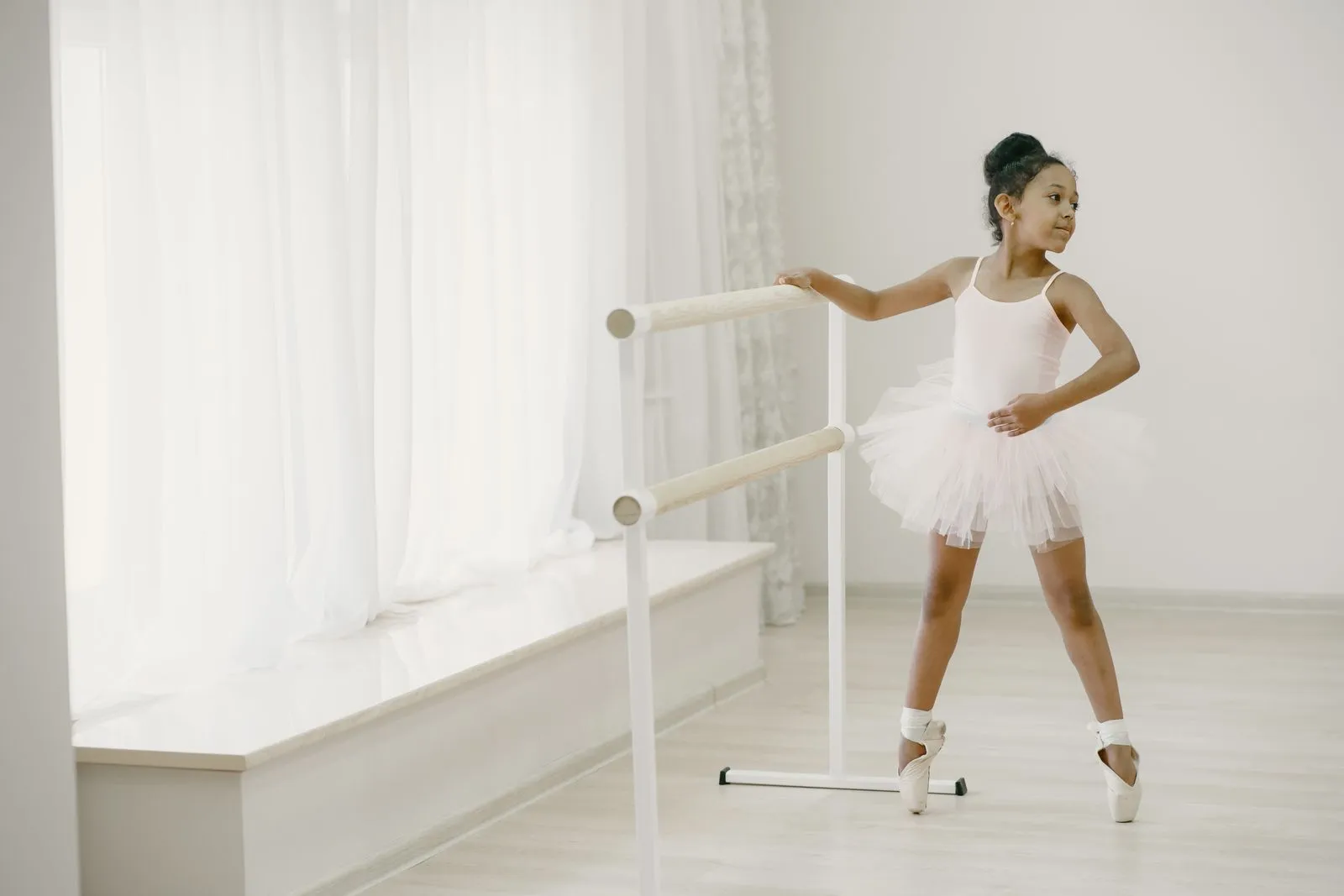
The right outfit can make a dance class feel easier from the first warm-up to the final combination. Choose clothes that let you bend, stretch, and step without constant adjusting, then match your footwear to the dance style and studio floor. You do not need a specialist wardrobe to get started. A few comfortable basics, plus a quick check of the school’s requirements, can help you arrive ready to move.
Start With Comfortable Movement
Pick clothes that stay in place as you reach, turn, and bend. Leggings, joggers, shorts, or a flexible skirt can work, paired with a fitted T-shirt or top. Avoid garments that drag on the floor, restrict your knees or hips, or need frequent adjusting. If you are unsure, try a few dance-like movements at home before class.
Think about temperature and the class format. You may feel cool while waiting, then warm up quickly once you start moving. Wear light layers you can remove, such as a sweatshirt over your class outfit. Choose breathable fabric and bring a spare top if you expect to sweat. Secure long hair so it stays out of your face.
Match Shoes to the Style
Footwear affects balance, traction, and how your feet move, so check the class guidance before buying anything. Ballet often calls for ballet slippers; tap requires tap shoes; ballroom classes may use shoes designed for turning. Hip-hop and many beginner fitness-dance classes may allow clean athletic shoes, while some classes are taken barefoot or in socks.
Do not assume street shoes are suitable for a studio. They can bring in grit, mark the floor, or grip too much during turns. If you are borrowing or buying shoes, aim for a secure fit without pinching, and ask whether the class has a specific sole or heel requirement. Never dance in shoes that slip off or cause pain.
Check Practical Details
Before class, read the studio’s dress code or ask the instructor what beginners should wear. Requirements can vary by dance style, age group, floor, and class level. If you do not yet own the recommended shoes, ask whether you can attend in clean alternatives for your first session. Bring a water bottle and a small bag for layers or personal items.
Keep accessories simple and secure. Remove dangling jewelry, tie back loose hair, and check that drawstrings or loose straps will not catch or distract you. If you use a brace or have a clothing or footwear concern, contact the instructor beforehand to discuss a comfortable option. The goal is to move safely, not to look like a professional on day one.
Dress for Your Dance Style
For ballet or other technique-focused classes, close-fitting clothes can help you and your teacher see body alignment. For contemporary dance, choose flexible layers that support floor work without bunching. Street-style classes usually suit relaxed, secure clothing that allows wide steps, while ballroom calls for movement-friendly clothes that will not catch on a partner.
When trying a new style, keep your first outfit simple: comfortable bottoms, a top that stays put, and the footwear the instructor recommends. You can adjust after learning what the class involves. Melbourne Dance Co can also help new students check what to wear before attending a class.
For your first dance class, prioritize freedom of movement, secure footwear, and the instructor’s dress-code advice. You can build a style-specific wardrobe over time; comfort and safety matter more than having the perfect outfit on day one. Check the class requirements before you go, then arrive ready to enjoy the movement.