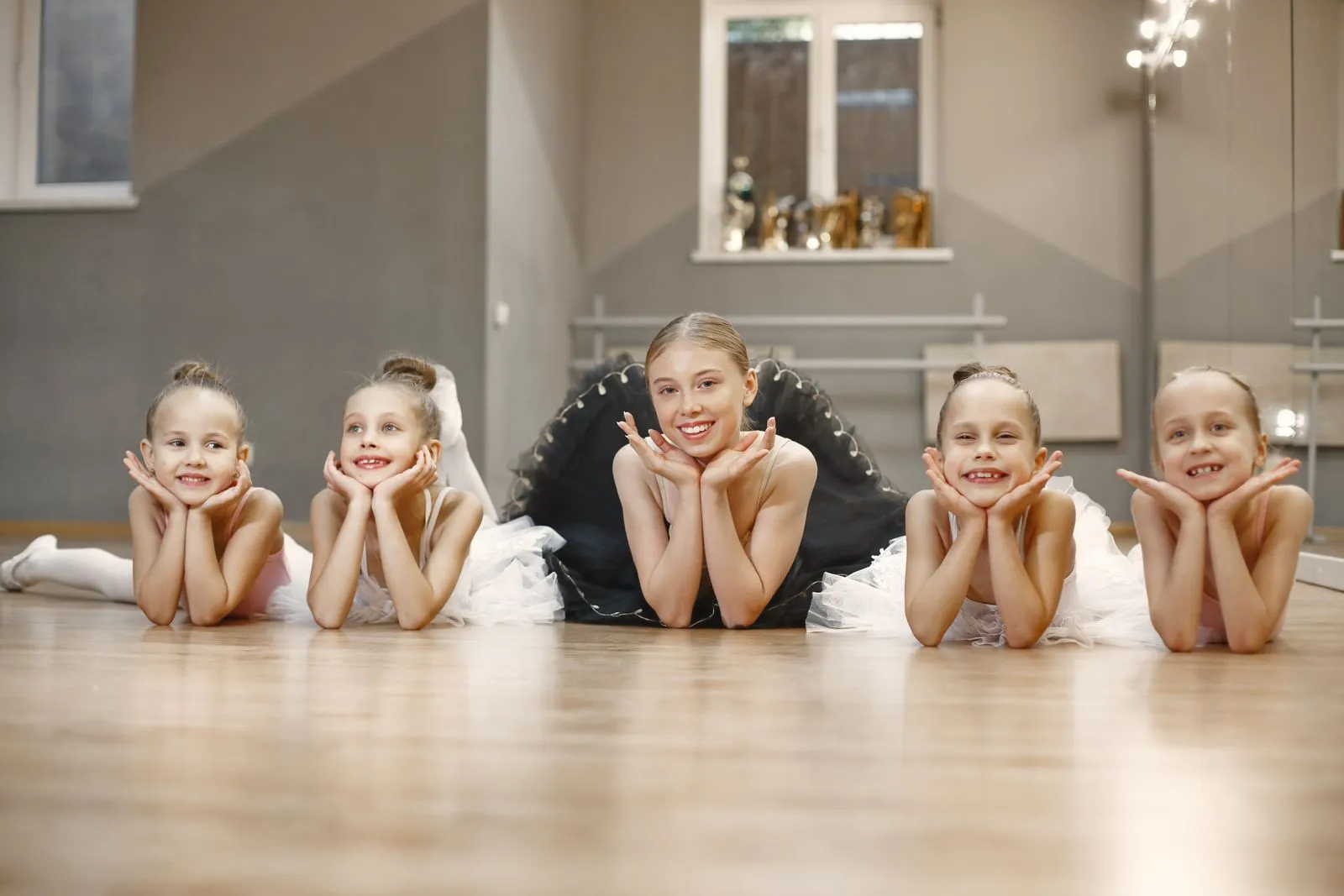
Feeling confident on the dance floor doesn’t mean knowing every step. It means giving yourself room to learn, recover, and enjoy the music. Whether you’re joining a class, dancing socially, or practising at home, small, steady habits can make new movements feel less intimidating. Start with a manageable goal, focus on what your body can do today, and let progress build over time. You don’t need perfect timing to take your next step.
Practise One Small Piece
Choose one part of a dance to practise, such as a basic step, a turn, or the transition between two moves. Break it into smaller actions and repeat them slowly before adding music. Keeping the task simple helps you notice how your weight shifts and where your feet need to go, instead of trying to remember an entire routine at once.
Practise for a short, regular stretch of time rather than waiting for a long, perfect session. Use a clear space, wear comfortable clothing, and check that the floor is safe for movement. If a step feels awkward, reduce the speed or range of motion. You can build it back up once the movement feels more familiar.
Make Practice Work for You
Use a mirror if it helps you see your posture, but don’t let it become a test. You can also practise facing away from it and focus on how the step feels. If you’re learning choreography, review a short section at a time and say the counts quietly as you move. A brief video of your practice can help you spot one useful adjustment.
Expect repetition to be part of learning. When you lose the sequence, pause, find the starting point, and try again at a slower pace. Notice what improved, even if it’s only one smoother transition or a more relaxed shoulder. Tracking small wins gives you a practical reason to keep going without comparing your progress with someone else’s.
Settle Nerves Before You Dance
Before class or a social dance, take a few slow breaths and let your shoulders drop. Arrive with enough time to get comfortable in the room, warm up, and ask questions if you need to. If watching first helps, take a moment to see how the activity flows. Then choose one achievable aim, such as trying the basic step or dancing through one song.
Nerves often grow when you try to predict every mistake. Bring your attention back to the beat, the next step, or the instructor’s cue. If you miss a move, keep a gentle rhythm and rejoin when you can. Most people are focused on their own dancing, and a brief stumble doesn’t need to end the experience.
Enjoy Learning in the Room
Treat a class as practice, not a performance. Ask the instructor to demonstrate a step again or explain where your weight should go. If you’re dancing with a partner, communicate clearly and keep the movement comfortable for both of you. A friendly class should leave space for questions, different learning speeds, and the occasional laugh when feet get tangled.
Choose music that makes you want to move, and let enjoyment guide your practice. You can dance to a song you know, repeat a favorite step, or improvise with simple movements. Confidence grows as you collect positive experiences—not just flawless routines. If one style or class doesn’t feel like a fit, trying another is a sensible part of finding your rhythm.
Build confidence one step at a time: practise a small section, breathe through nerves, and measure progress by what feels easier than before. Give yourself permission to be a beginner and enjoy the music while you learn. When you’re ready for guided practice, explore a class at Melbourne Dance Co and take your next step.